Because for a meaningful number of people, the infection ends and the illness doesn't.
If you're months out from COVID and still flattened by a flight of stairs, still losing words mid-sentence, still needing to lie down after a normal day — you're not deconditioned, you're not anxious, and you're not imagining it. There are four mechanisms researchers point to, they produce different symptom patterns, and knowing which one looks like yours changes what's worth trying.
This page is about understanding what's happening. It is not medical advice, and if you haven't been properly evaluated, that comes first — some of what gets called long COVID turns out to be thyroid dysfunction, anemia, or B12 deficiency, and those are fixable in ways this isn't.
This fatigue is a different thing
People who have it consistently say ordinary words don't fit.
Normal tiredness responds to rest. You sleep, you feel better. This doesn't work that way. People describe sleeping ten hours and waking unrefreshed. They describe a ceiling on available energy rather than a slope — fine until abruptly not fine. And they describe post-exertional malaise: doing something reasonable on Tuesday and paying for it Thursday, on a delay that makes the cause hard to see.
That delayed crash is the most distinctive feature, and it's the one that most often gets misread as being out of shape. It isn't deconditioning. Deconditioning improves with graded exercise. This can get worse with it, which is why "just push through" is not only unhelpful but can set people back.
The four mechanisms
1. Mitochondrial dysfunction
Mitochondria produce cellular energy. When they underperform, you get exactly this pattern: a hard ceiling, disproportionate crashes, and rest that doesn't restore.
Looks like: the ceiling, post-exertional crashes, unrefreshing sleep. Studied for it: CoQ10, nicotinamide riboside, magnesium, alpha lipoic acid.
2. Microclotting and circulation
Persistent small fibrin clots impairing oxygen delivery at the capillary level. Attractive as an explanation because one mechanism produces the whole cluster — brain fog, fatigue and exercise intolerance all follow from tissue not getting enough oxygen.
Looks like: brain fog prominent alongside fatigue, cold hands and feet, breathlessness disproportionate to effort. Studied for it: nattokinase and circulation support — more here.
3. Persistent immune activation
The immune response doesn't stand down after the threat clears. You stay in a low-grade inflammatory state, and inflammation is itself exhausting — the same reason flu makes you feel wrung out.
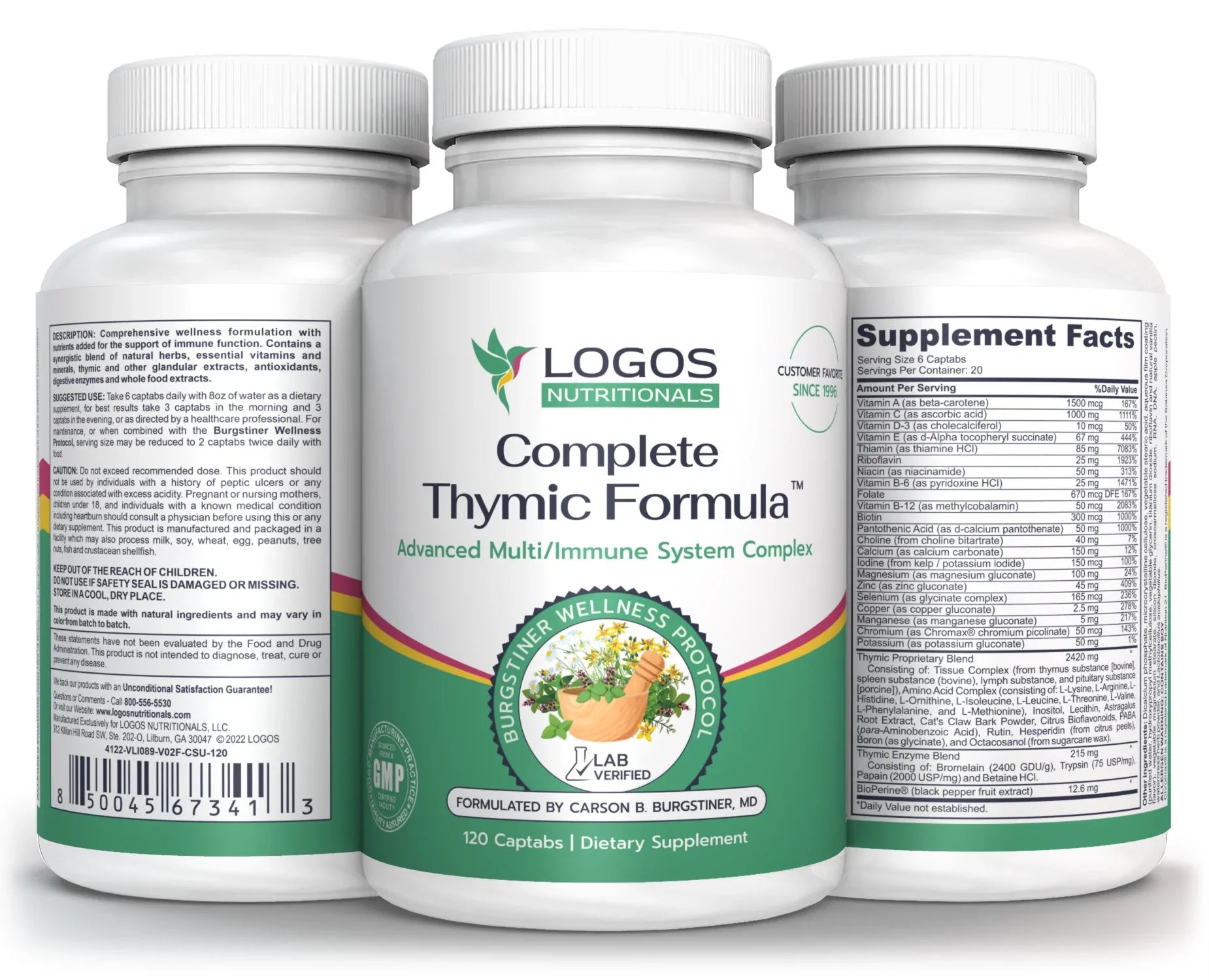
Looks like: flu-ish malaise, aches, swollen glands, symptoms that flare and recede. Studied for it: omega-3s, inflammatory regulation, thymic and immune support.
4. Autonomic dysfunction
The nervous system's automatic regulation — heart rate, blood pressure, digestion — stops regulating properly. Often presents as POTS or POTS-like symptoms.
Looks like: heart racing on standing, lightheadedness, symptoms much worse upright, temperature regulation problems. Note: this one is the least supplement-responsive of the four. It's the one where seeing a specialist matters most, and where salt, fluids, compression and pacing do more than a supplement will.
Most people have more than one running. But usually one dominates, and that's the one worth addressing first.
Get these ruled out first
Genuinely, before you spend money on supplements:
- Thyroid — full panel, not just TSH
- Ferritin and full blood count — iron deficiency without anemia is easy to miss and produces exactly this fatigue
- Vitamin D — deficiency is common in anyone who's been indoors and unwell for months
- B12 and folate
- Fasting glucose and HbA1c
Finding one of these is a much better outcome than not finding it. They're treatable.
What actually helps, in order of leverage
Pacing. Not a supplement, and the single most effective intervention in the post-viral literature. Find the exertion level that doesn't trigger a crash and stay under it — including on good days, which is the hard part. Good days are when people overspend and lose the next three. Pacing feels like giving up and isn't; it's the thing that stops the crash-recover-crash cycle that keeps people flat for years.
Sleep. Repair happens during sleep, and long COVID disrupts it. Fixing sleep makes everything else measurable. If sleep is broken, fix it first — you won't be able to tell whether anything else is working until you do.
Correcting deficiencies. See the list above.
Then targeted support, matched to whichever mechanism above looks like yours. Not all of them at once.
On timelines
Most people do improve. It's often slow, and it's usually not linear — good weeks followed by setbacks that feel like starting over but generally aren't.
The unhelpful part is that nobody can tell you your timeline. What we'd say from the research and from talking to people going through it: measure in months, expect non-linearity, and track something objective, because on a bad week your memory will tell you nothing has changed since spring even when it has.
A simple daily one-to-ten energy score is enough. It's also how you find out whether anything you're taking is doing something.
Where we fit
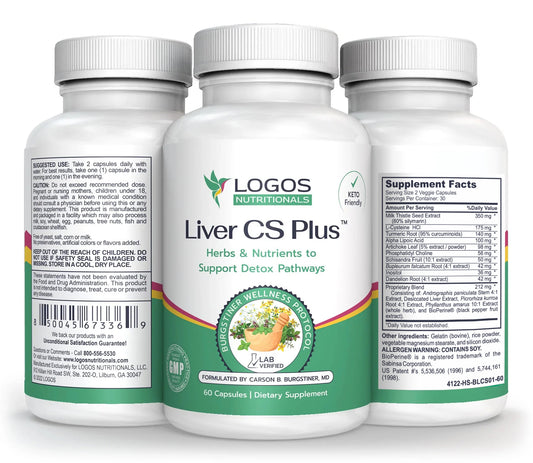
We make a Long-Haul COVID & Post-Viral Recovery Protocol aimed at the circulation, inflammatory-regulation and energy side — mechanisms two and three above.
If your picture is mainly autonomic, or mainly a deficiency nobody has tested for yet, that protocol isn't your answer and we'd rather say so. Start with evaluation and pacing. Those are free, and they outperform anything on our shelf.
If you want the fuller breakdown of what's been studied: supplements for long COVID fatigue and brain fog.
Frequently Asked Questions
How long does post-COVID fatigue last?
It varies enormously — weeks for some, years for others. Most people improve gradually and non-linearly. There's no reliable way to predict an individual timeline.
Is long COVID fatigue the same as chronic fatigue syndrome?
They overlap substantially. Many people with long COVID meet ME/CFS criteria, and post-exertional malaise is central to both. Much of the pacing research transfers directly.
Why do I crash the day after doing something normal?
That's post-exertional malaise, and the delay is characteristic — the crash typically lands 24 to 72 hours after the exertion, which makes the connection easy to miss. It's the main reason pacing works and pushing through doesn't.
Should I exercise with post-COVID fatigue?
Cautiously, and not on a standard graded-exercise plan if you have post-exertional malaise — that can make things worse. Stay under the threshold that triggers a crash and increase only very slowly. Talk to a clinician who understands post-viral illness.
Can supplements fix long COVID fatigue?
No supplement is an established treatment. Some nutrients may support the systems involved, and some people report real improvement. Pacing, sleep and correcting actual deficiencies have better evidence than anything in a bottle.
When should I see a doctor about post-COVID fatigue?
Now, if you haven't. Especially for chest pain, breathlessness at rest, fainting, or worsening rather than plateauing symptoms — and to rule out thyroid, iron, B12 and blood sugar causes.
These statements have not been evaluated by the Food and Drug Administration. This product is not intended to diagnose, treat, cure, or prevent any disease. This article is not medical advice.